
 European servers · Based in Amsterdam
AI training for housing associations
More to do, the same headcount. We train housing association staff in AI that takes over the administrative part of the work, while keeping decisions about people with people.
The AI literacy obligation applies to organisations like






Sustainability upgrades, Affordability, Maintenance pressure, Accountability.
Housing associations work with tenants in vulnerable positions. That's exactly why the distinction is critical between work AI may prepare and decisions a human must make, for rent collection, allocation and nuisance cases, that's not a detail, it's the core of it.

- Sustainability upgrades
- Affordability
- Maintenance pressure
- Accountability
Where AI in housing associations really saves time.
No generic promises. These are the processes we start with, and what they deliver.
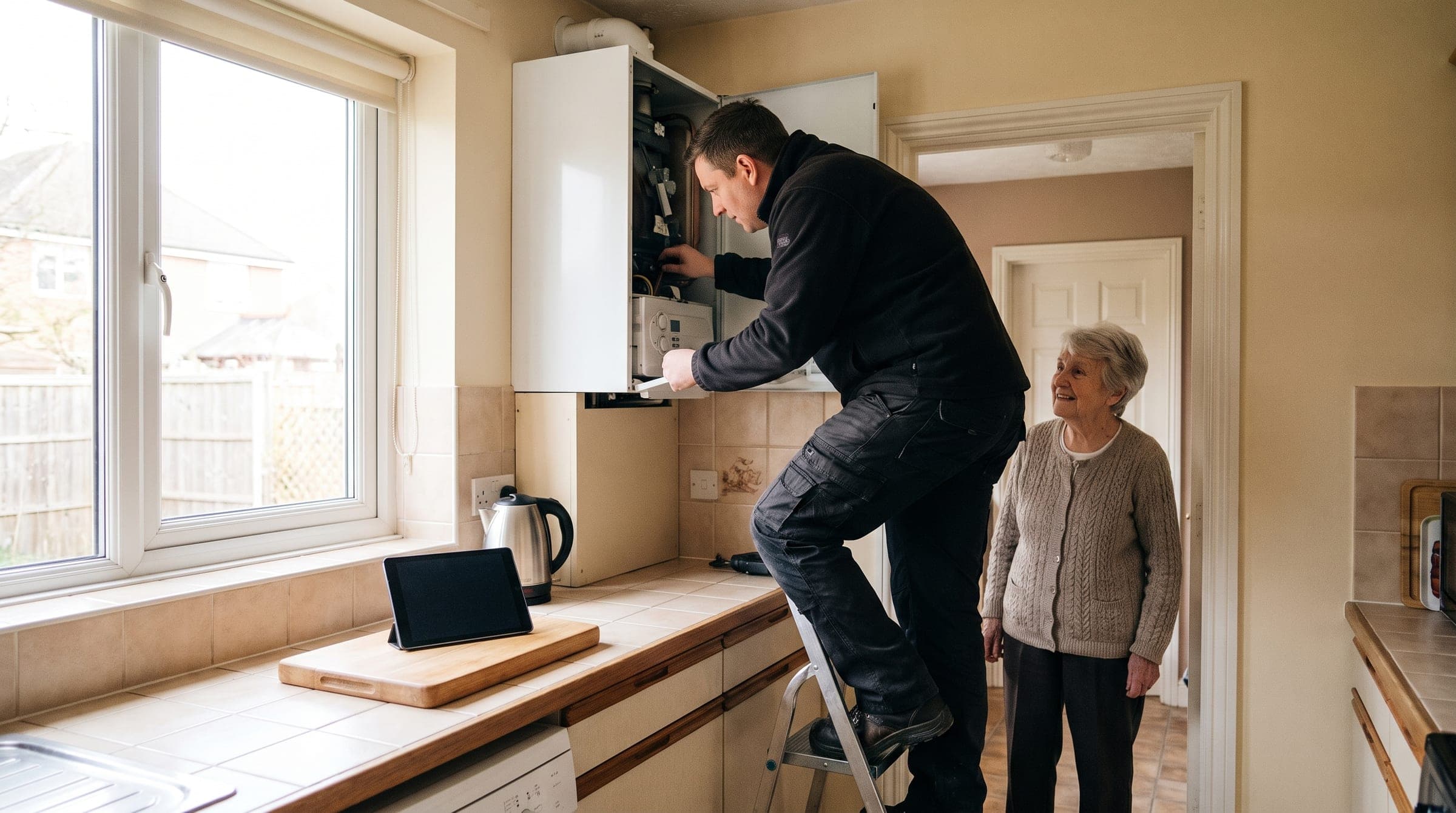
Triaging repair requests
Reports automatically classified by trade, urgency and contractor, including recognition of repeat reports.
Tenant correspondence
Letters in plain language drafted from the file, for review and signature.
Sustainability files
Complex data, energy labels and measures combined into a substantiated proposal per complex.
Tender documents
Specifications and requests for quotes checked for discrepancies and missing items before publication.
Nuisance case files
Chronological file built from reports and notes: fact reconstruction by AI, weighing by the caseworker.
Annual report and accountability
Draft text compiled from your own figures and policy documents, with source references.
Preparing housing allocation
Completeness and eligibility check on applications, after which the employee allocates.
Supplier invoices
Invoice matched to order and job ticket, discrepancies flagged for review.
One organisation, three levels.
The EU AI Act expects the level to match the role. So we don't train everyone the same way: a baseline level for everyone who uses AI, a deeper level for those who apply AI in decision-making or customer contact, and a governance level for those who decide which systems come in.
How this meets the AI literacy obligation →- Executive director and management team
- Housing consultants and customer contact
- Property and maintenance
- Finance and control
- Information management
- Privacy officer

Housing association with around 12,000 rental units
AI literacy across the whole organisation, with an explicit framework around tenant files: AI prepares and summarises, the consultant decides. Documented in policy and tested per employee.
6 weeks
from kick-off to a tested organisation
0
automated decisions about tenants
What housing associations pay this from
Usually from the training budget or the digitalisation and innovation budget. Housing associations aren't a contracting authority in the classic sense, but often apply a comparable internal procurement framework, and our package prices are set up to fit within that without a lengthy procedure.
All budgets and subsidies at a glance →GDPR-proof, within the EU
Everything we build runs on European infrastructure, with data isolation per organisation, audit logs and the right to erasure. Your data is never used to train third-party models, and decisions with consequences always rest with a named human.
How we guarantee that →Three AI agents, ready to use.
Every training comes with three ready-made AI agents, chosen for your sector and set up around the way you work. They're live the moment the training ends, with no implementation project and no extra invoice.
Repair Request Triage
Classifies reports by trade, urgency and contractor, and recognises repeat reports at the same address.
Tenant Letter Agent
Writes letters in plain language based on the file, for review and signature by the consultant.
Invoice Check Agent
Matches supplier invoices to orders and job tickets and flags discrepancies for review.
All agents run on European infrastructure, never use your data to train third-party models, and hand every decision that matters to a named person.
Frequently asked questions from housing associations.
The questions that come up first in this type of organisation: the legal obligation, procurement, privacy and where to start.
No, and we set that down explicitly. Decisions that directly affect a tenant (allocation, rent collection, eviction, nuisance cases) are made by an employee. AI may prepare, organise and summarise the file. That distinction is set out in the AI usage policy we draw up with you, so it's auditable for the Housing Associations Authority (Autoriteit woningcorporaties) and your own supervisory board.
Yes. Article 4 applies to every deployer of AI systems, regardless of whether it's public or private. As soon as your staff use AI tools, you must ensure an adequate level of AI literacy and be able to demonstrate it. For applications involving tenants, the AI Act's risk categories deserve extra attention too.
With repair requests and tenant correspondence. These are high volume, repeatable work, and involve no decision about a person, so the gains are immediate and the risk is low. Sustainability files and nuisance cases follow once the policy and working agreements are in place.
Yes. We don't replace your primary system. What we build connects to what's already running, via existing integrations, and we agree at the outset which data goes where. At handover, your own information manager gets an operating manual.
Further reading
- AI literacy under the EU AI ActWhat the AI literacy obligation actually requires, and what dossier you need to be able to show.
- What does AI training cost?Starting at €495 per person, and what determines the final price.
- Spending your innovation budgetWhich pots you can pay from, and which subsidies you can stack on top.
Two ways in.
Answer a few questions and get a number now, or skip straight to a person. Both end up in the same place.

50+ organisations helped · 3,000+ people trained
We love AI, but it's nice to talk to a human.
No bot, no ticket queue. A person reads this and answers within one working day, usually with a free 30-minute assessment of where AI would actually save you time and money.